
Both Things Can Be True
On being shy – and building something gutsy out of it
I was told I was too shy for the thing I wanted most. This is how I got from there to Gutsy, and what has and hasn’t changed along the way.
“You’re too shy for journalism.”
I was fifteen or so, bedroom walls papered in Kerrang! cutouts. I wanted to be a music critic more than I wanted almost anything else. And I believed those words completely – the way you believe things when they confirm your greatest fears about yourself. The way you believe things said to you young enough, and often enough: Quiet was a flaw. Hesitant was a weakness. Self-conscious was failure. Shy was a shameful, unsolvable problem.
A convenient place to hide
I didn’t become a journalist. I became an editor instead, which is the next closest thing – reading other people’s work, helping other people find the words for what they meant, for the best part of 20 years now. I love it, and I’m good at it. It took me a long time to notice it had also become a rather convenient place to hide.
I once had to put a book down entirely – Julia Cameron’s The Artist’s Way – when she describes the ‘shadow artist’, someone who orbits other people’s creative work because making their own feels too exposing. I needed a minute with that one. I’d built a whole career standing close enough to writing to feel its warmth, without ever quite stepping into the light.
The question that kept following me
And underneath all of that, in every job and every room I found myself in, I kept noticing the same question follow me around. As a student at university, where discussions and tutorials were dominated by the same three people every week, and I could never get a word in. As an editor, watching whose ideas got pitched with confidence and whose sat quietly in a drawer. As an artist-facilitator designing exhibitions and events, trying to build spaces where you could sit down and slow down, rather than ones that only worked if you were good at schmoozing and chit-chat.
Every time, some version of the same thought: why does this room work for some people, and not for others?
The thing I knew I had to try
Then, just over a decade ago, I typed the words ‘confidence course near me’ into Google. A loud voice in my head said don’t. And that’s exactly why I knew I had to try it.
I ended up on a drama-for-confidence course run by a dramatherapist called Claire Schrader – someone who’d also been a shy, withdrawn child, and had found her own way through it. That mattered to me more than I expected. I didn’t much want to learn from someone who’d always found this easy; I didn’t think they’d understand what it was asking of me, or why it cost so much.
One exercise from that first course has never quite left me. We were playing at being Greek gods, mid-gesture, arms raised – and the facilitator called “freeze”. My arm stayed up. I stood there, mortified, totally unaccustomed to feeling so visible, too much of a rule-follower to just put my arm down, certain the whole room could see me failing at a game that had no actual way to fail. Years later, training to run workshops like that one myself, the same exercise came around again. Same pose, arm in the air. This time I just stood there, enjoying it – half a decade between the two moments, and the whole distance of it suddenly tangible at once.
I went back for more after that. Then more again. Jungian Somatics with Jane Clapp and Laura Beth Wenger. Coaching the unconscious mind with Melissa Tiers. Circle facilitation with Gemma Brady. And facilitator training with Claire herself, in what she calls the Sunflower Effect.
The big moments and the small ones
Somewhere in amongst all of this, the shy kid did some fairly unshy things. Played drums in a feminist punk band called Charismatic Megafauna. Toured Europe. Talked, unscripted, live, on the radio. Wrote a book about feminist performance art and then stood up in galleries and lecture halls to talk about it, voice only shaking a little.
But, in some ways, the real victories were less visible to anyone but me. Knowing how to quiet the inner critic. Understanding my racing heart wasn’t a sign I shouldn’t speak. Stepping out of my front door without a sense of panic. Ordering my own food in a restaurant, no rehearsed sentence ready. Dancing to the music in my headphones while waiting for a train. Chatting and joking in the kitchen at work. Accepting offers of help and opening up more with friends. Answering the phone without a small internal flinch. Doing a reading at my grandmother’s funeral in front of a small crowd. Walking into a party alone, and staying.
None of it turned me into someone else. I still notice a thousand details about a room before I speak in it. My heart still does something complicated before a difficult conversation. I’m not especially interested in the language of overcoming or conquering or defeating shyness – it’s never felt like a war I was fighting, more like a way of being that needed a bit more room than the world was offering it. What changed isn’t that the fear left; it’s that it stopped being the whole sentence.
From changing myself to making room
For a long time, that felt like the end of the story: I’d found my way to more peace, more ease and more confidence, and Gutsy existed to help other people do something similar.
Except that old question – why do most groups work for some people and not others – kept turning up in places that had nothing to do with confidence at all. So I started experimenting with the art of togethering – with being together better.
One experiment was Loose Threads, the monthly craft circle I started. It was less about personal development and more about self-acceptance. It was a space for noticing where you push yourself to be different, or more, or less, or to fit in – and for giving yourself permission to let that go, noticing what feels better, moment by moment, even if that means not talking at all.
I wanted to create an alternative kind of culture and environment, where different kinds of behaviour were allowed. What I found in myself, and from what I heard from others, is that it can be healing to give yourself that kind of permission in the company of others. Loose Threads ran for a year, and it’s on pause while I work out what comes next.
Contribution isn’t confidence-shaped
Now my senses were wide open, noticing what kinds of groups I craved, and what kinds the voices around me were calling for too. At a time of war, genocide, political activation, climate emergency, skyrocketing social anxiety and epidemic loneliness, many of us want to be making a difference but don’t know how, and doubt our capacity to do so.
I’d see a volunteering project I believed in, a community organisation I was curious about being part of, a campaign worth joining, and feel that familiar old retraction: ‘no, that’s not for me’. Then I came across Sarah Corbett’s case for why “activism needs introverts” and recognised myself completely. Nobody in my world, growing up, had ever modelled what it looked like to get involved in something bigger than yourself, so I’d quietly assumed that kind of contributing was just something I wasn’t cut out for. That it belonged to other people – the ones who don’t mind being out front, confident and articulate, the visible face of a thing.
Except contribution has never really been confidence-shaped. It just gets reported that way, because the loud version is the one that makes the news. Someone turning up quietly, month after month, to do something they believe in, rarely does. As I’ve gone looking, I’ve realised that kind of thing is happening everywhere, all the time.
So that’s the newest kind of group I’m trying to build. Not another course in becoming braver. A way into the things you already care about, and somewhere to actually contribute, held in a way that doesn’t ask you to arrive already confident. You’ll find it taking shape under What’s Brewing, because I’m taking my time developing this idea, building relationships and talking to people about what’s needed.
Where I’ve got to
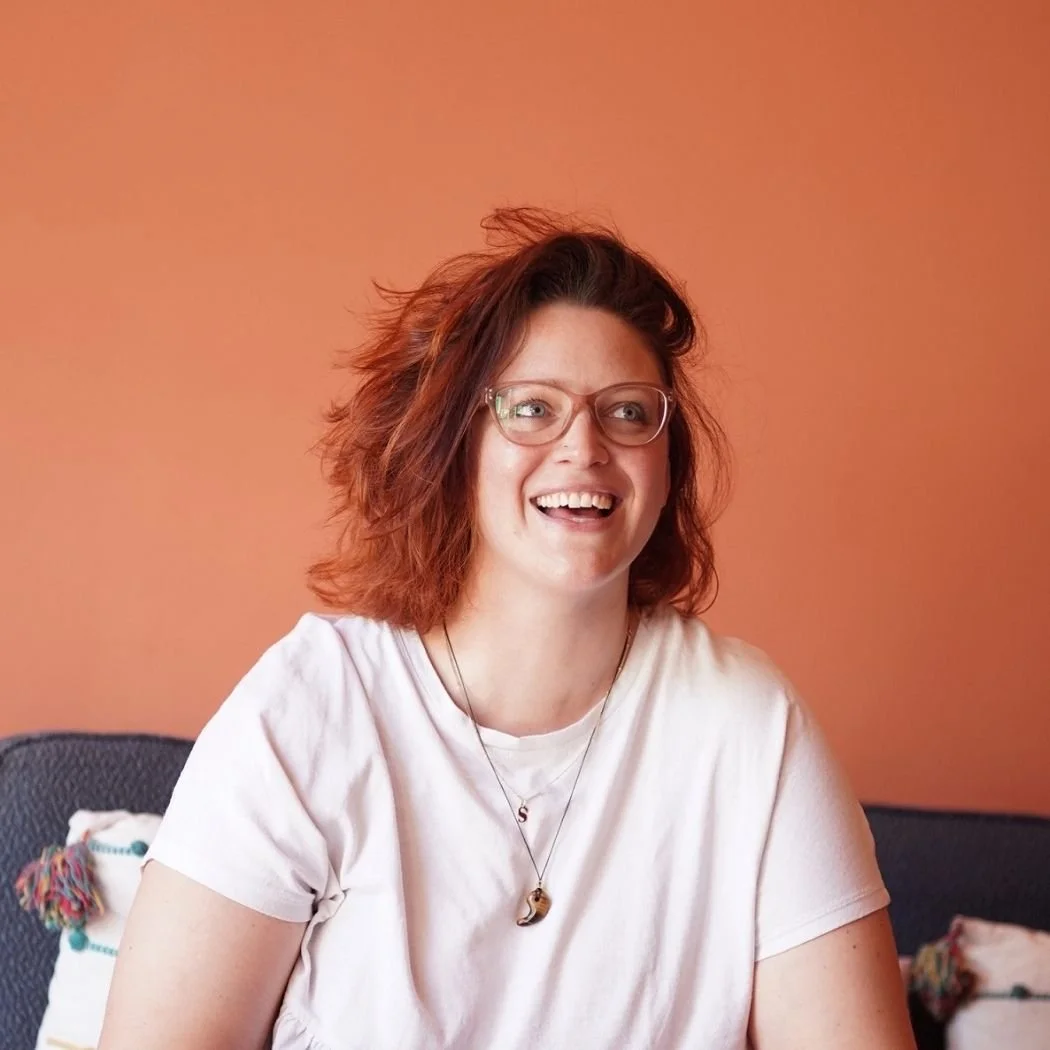
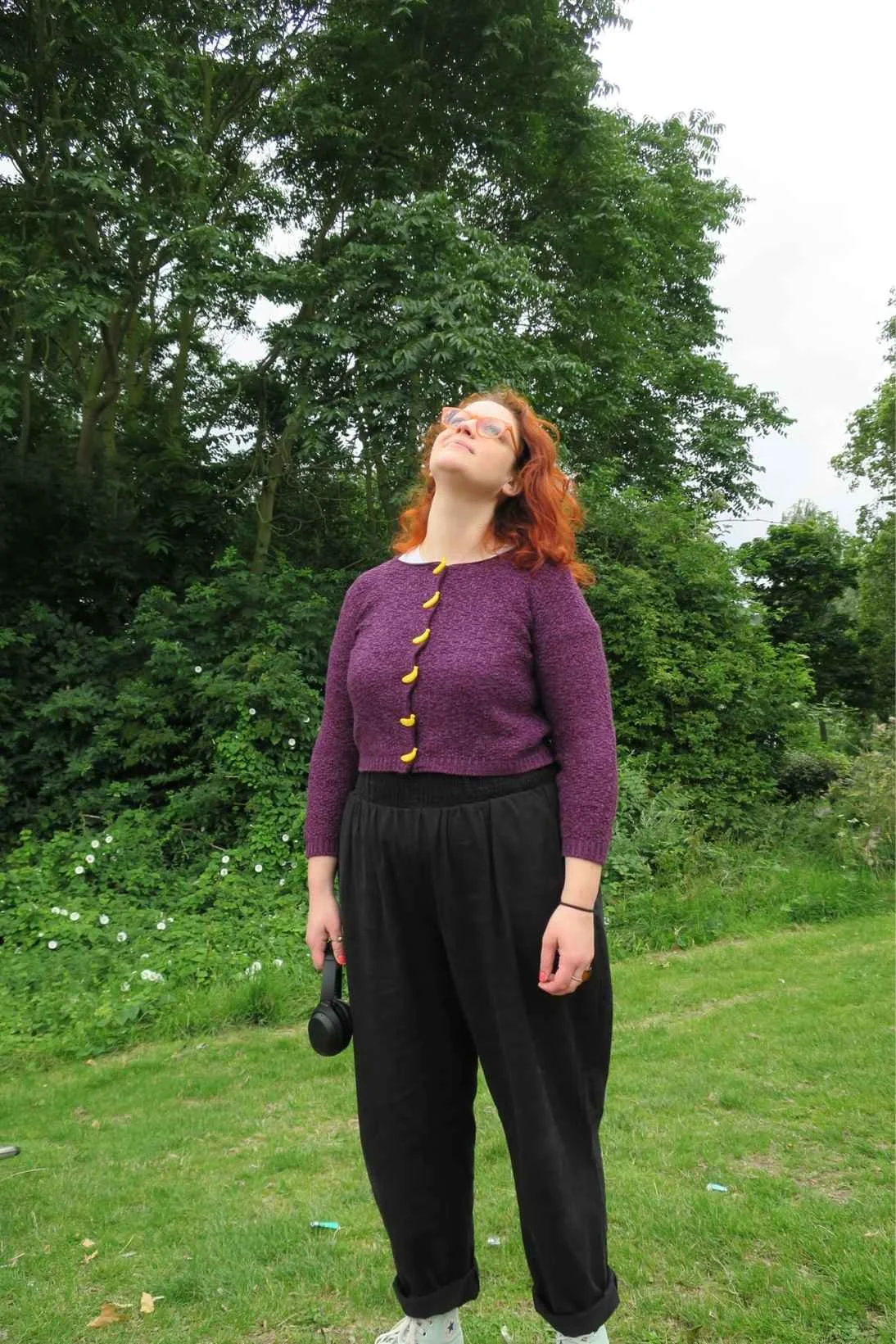
For a long time, I thought becoming my fully expressed self meant transforming into the kind of loud, outgoing person that so much of the world celebrates. That there was something deficient, inadequate or broken about me. But I learned that everything was waiting inside me, and the practice was all about softening my guard, slowly peeling back the protective layers, and letting myself be known exactly as I am.
I can’t promise where this work will lead for anyone else. But as I’ve become more comfortable being seen and known, in friendships, relationships and in groups, things have opened up that I could never have predicted. More room for creative expression. Closer connection with other people. New opportunities. A way into my community and the wider world.
I’m still shy sometimes, and I’ve built something gutsy. Both things can be true.
Get Gutsy in your inbox
Get Gutsy is my free newsletter – for the ones who’ve always had plenty to say, but find it hard to say it. You’ll get personal essays, plus regular updates on what I’m learning as I build a practice in being together better, and how you can be part of it.